
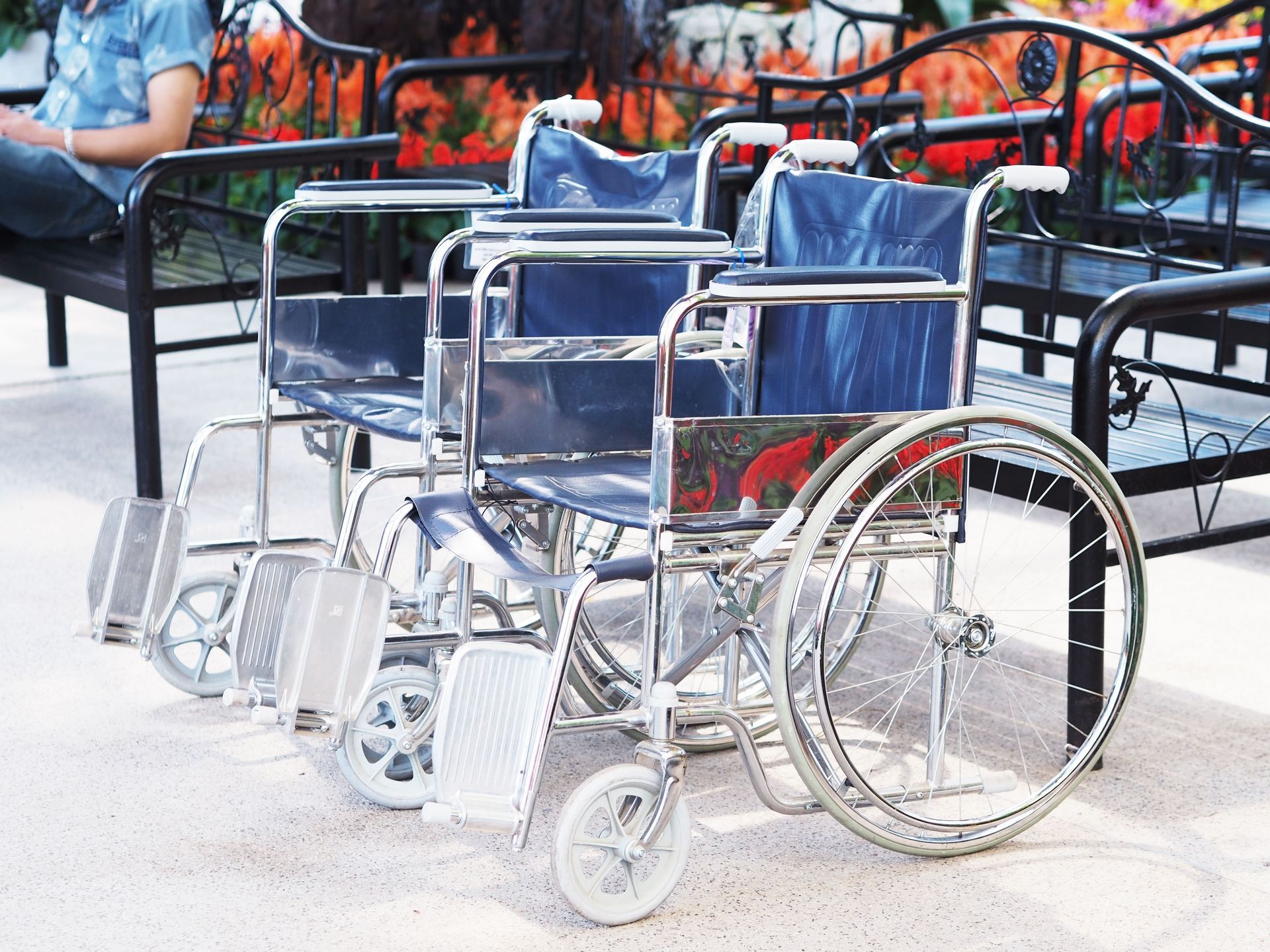

Discover how disability scooters improve mobility, independence, and daily comfort while helping individuals stay active and connected to their communities.
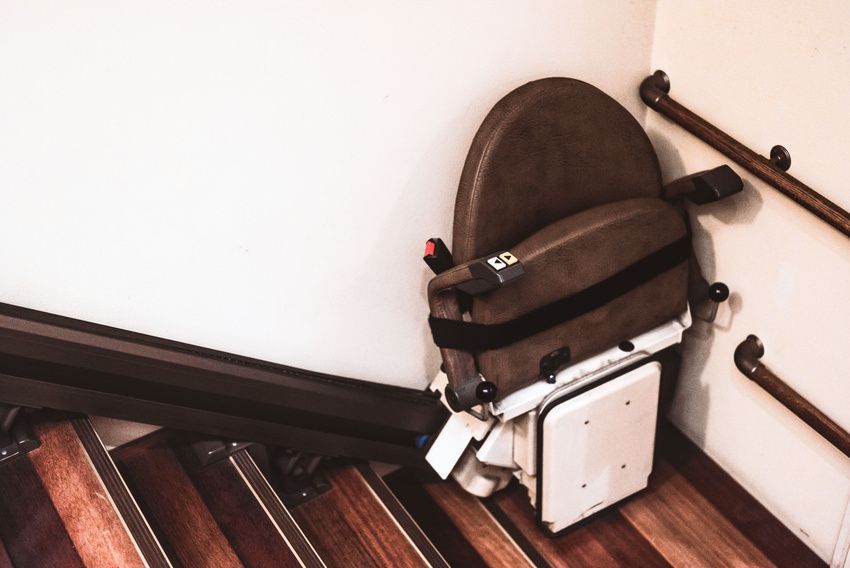
For individuals experiencing mobility challenges, everyday activities like sitting down and standing up can become increasingly difficult. Finding comfortable, supportive seating can make a meaningful difference in maintaining independence and enjoying daily routines. At Community Pharmacy & Mobility, we understand how important it is to find mobility equipment that accommodates individual needs while providing comfort, convenience, and reliable assistance. Lift chairs are designed to help individuals transition between seated and standing positions with less physical effort. With adjustable positioning, supportive designs, and convenient features, these specialized recliners can improve accessibility throughout the home. Understanding their benefits and available options can help individuals and caregivers make informed decisions about mobility support. Understanding the Benefits of Mobility Assistance Supporting Easier Sitting and Standing One of the primary advantages of powered seating is its ability to assist with everyday transitions. A motorized lifting mechanism gradually raises the seat and tilts it forward, helping users move toward a standing position without placing as much strain on their legs and joints. For individuals experiencing arthritis, muscle weakness, or limited flexibility, this assistance can make routine movements more manageable. Unlike traditional recliners, lift chairs provide additional support during transitions that might otherwise require considerable physical effort. The appropriate equipment can also help individuals feel more confident when navigating their daily routines. Encouraging Greater Personal Independence Maintaining independence is an important consideration for individuals experiencing physical limitations. Having access to supportive mobility equipment may reduce the amount of assistance required for certain everyday activities. According to HUD USER, 12% of homes include at least one person who has mobility-related challenges. This statistic highlights the importance of accessible living environments and practical equipment that accommodates different physical abilities. At Community Pharmacy & Mobility, we recognize that mobility needs vary considerably. Choosing equipment that supports an individual's capabilities can help create a more comfortable and accessible home environment. Assisting Family Members and Caregivers Family caregivers frequently help loved ones navigate daily movements, including getting in and out of chairs. These activities can be physically demanding, particularly when an individual requires substantial assistance. Powered seating can reduce some of the physical effort involved in these transitions. By providing controlled movement, the equipment may allow users to participate more actively in standing and sitting. However, individuals with significant balance difficulties may still require supervision or hands-on assistance. Selecting appropriate equipment should involve consideration of the user's physical capabilities and professional recommendations. Exploring Different Types of Powered Seating Comparing Two-Position Recliners Two-position models generally offer an upright seating position and a partially reclined setting. These options are suitable for individuals who primarily want assistance standing while maintaining comfortable seating for reading, watching television, or socializing. Their relatively straightforward operation makes them appealing to individuals who prefer simple controls and limited adjustments. When evaluating lift chairs, users should consider whether the available reclining positions accommodate their preferred activities and physical requirements. Comparing Three-Position Recliners Three-position models offer greater reclining flexibility than basic two-position designs. Users can typically select upright, partially reclined, and more extensively reclined positions. This additional flexibility can make the equipment useful for individuals who spend extended periods sitting throughout the day. Although these models provide more positioning choices, their backrests and footrests generally move together. Understanding these limitations helps buyers determine whether the available adjustments will meet their expectations. Comparing Infinite-Position Recliners Infinite-position models typically feature independently adjustable backrests and footrests, providing greater flexibility for personalized seating. These designs can accommodate individuals who need specific positioning arrangements for comfort or accessibility. Certain models also offer adjustable headrests, lumbar support, and additional reclining configurations. The increased customization can be particularly valuable for individuals whose mobility needs change throughout the day. Our team at Community Pharmacy & Mobility encourages customers to consider both immediate comfort and anticipated long-term requirements when exploring available seating options. Evaluating Comfort and Safety Features Considering Supportive Seating and Posture Proper seating support contributes to comfort during extended periods of sitting. Seat depth, backrest height, cushioning, and armrest placement all influence how well a chair accommodates an individual's body. A chair that is too deep may make positioning difficult, while insufficient back support can contribute to discomfort. Professionally selected lift chairs can provide adjustable positioning that supports more comfortable sitting arrangements. Individuals with specific medical or postural concerns should consult their healthcare professionals about appropriate seating requirements. Considering Adjustable Reclining and Leg Support Adjustable reclining features allow individuals to change positions throughout the day. Some models also provide elevated leg positioning, which may improve comfort for users who experience tired or uncomfortable legs. However, reclining and leg elevation are not substitutes for medical treatment. Individuals with circulation disorders, swelling, or other health concerns should follow guidance from qualified healthcare providers. The goal is to select equipment that complements individual comfort needs without making unsupported assumptions about medical benefits. Considering Stability and Safe Operation Safety should remain a priority when selecting mobility equipment. A stable base, appropriately sized seat, accessible controls, and reliable lifting mechanism are important considerations. Users should also evaluate whether they can maintain their balance as the chair moves toward a standing position. Lift chairs can assist with transitions, but they cannot independently prevent falls. Individuals with significant mobility limitations may need additional support or professional assessment to determine whether powered seating is appropriate. Selecting Equipment for Individual Needs Assessing Size and Weight Capacity Choosing the correct chair dimensions is essential for both comfort and functionality. Seat width, seat height, depth, and weight capacity should correspond to the intended user's measurements. An improperly sized chair may make positioning uncomfortable or reduce the effectiveness of its lifting assistance. Our team can help customers understand available specifications and compare equipment based on their individual needs. Considering these details before purchasing can prevent unnecessary inconvenience and support long-term satisfaction. Assessing Upholstery and Additional Features Modern powered recliners are available in numerous upholstery materials, colors, and styles. Fabric, microfiber, and other coverings offer different combinations of softness, appearance, and maintenance requirements. Some models also include heating, massage, USB charging ports, or adjustable lumbar support. While additional features can improve convenience, they should not overshadow essential considerations such as fit, stability, and ease of operation. The most suitable chair is one that accommodates the user's daily activities and physical requirements. Assessing Available Living Space Room dimensions are another important consideration. Powered recliners require sufficient clearance to operate safely, and some models need additional space behind the backrest. Wall-hugger designs may offer practical alternatives for smaller rooms, although clearance requirements vary by manufacturer. Professional assistance can help customers identify suitable models while accounting for available floor space, nearby furniture, and accessible walking pathways. Planning for Long-Term Mobility Support Understanding Purchase and Coverage Considerations Purchasing mobility equipment involves evaluating initial costs, available features, durability, and potential coverage options. Under qualifying circumstances, Medicare Part B may cover the medically necessary seat-lift mechanism of an approved chair, rather than the entire recliner. Coverage depends on applicable medical criteria, documentation, and supplier requirements. Customers should verify eligibility with their insurance provider and healthcare professional before assuming reimbursement is available. At Community Pharmacy & Mobility, we believe understanding these considerations helps individuals make purchasing decisions that align with their needs and budgets. Understanding Warranty and Service Considerations Warranty protection and dependable service are important when purchasing equipment intended for frequent use. Customers should review manufacturer warranties, including coverage for motors, electrical components, frames, and upholstery. Professional delivery and setup services may also simplify the purchasing experience. Choosing a knowledgeable mobility equipment provider can make it easier to understand product features, manufacturer recommendations, and available support if questions arise. Understanding Changing Mobility Requirements Mobility needs may evolve because of aging, recovery, or changes in physical health. Equipment that works well today should also be evaluated for its potential usefulness over time. For example, individuals may benefit from additional reclining adjustments or more accessible controls as their requirements change. Discussing current challenges and future considerations with healthcare professionals and experienced equipment providers can help identify practical solutions. At Community Pharmacy & Mobility, we're committed to helping individuals explore lift chairs that support greater comfort, accessibility, and confidence at home. Whether you're shopping for yourself or assisting a loved one, our team can help you compare available options and understand important features. Contact us today to learn more about our mobility equipment and find a seating solution suited to your everyday needs.
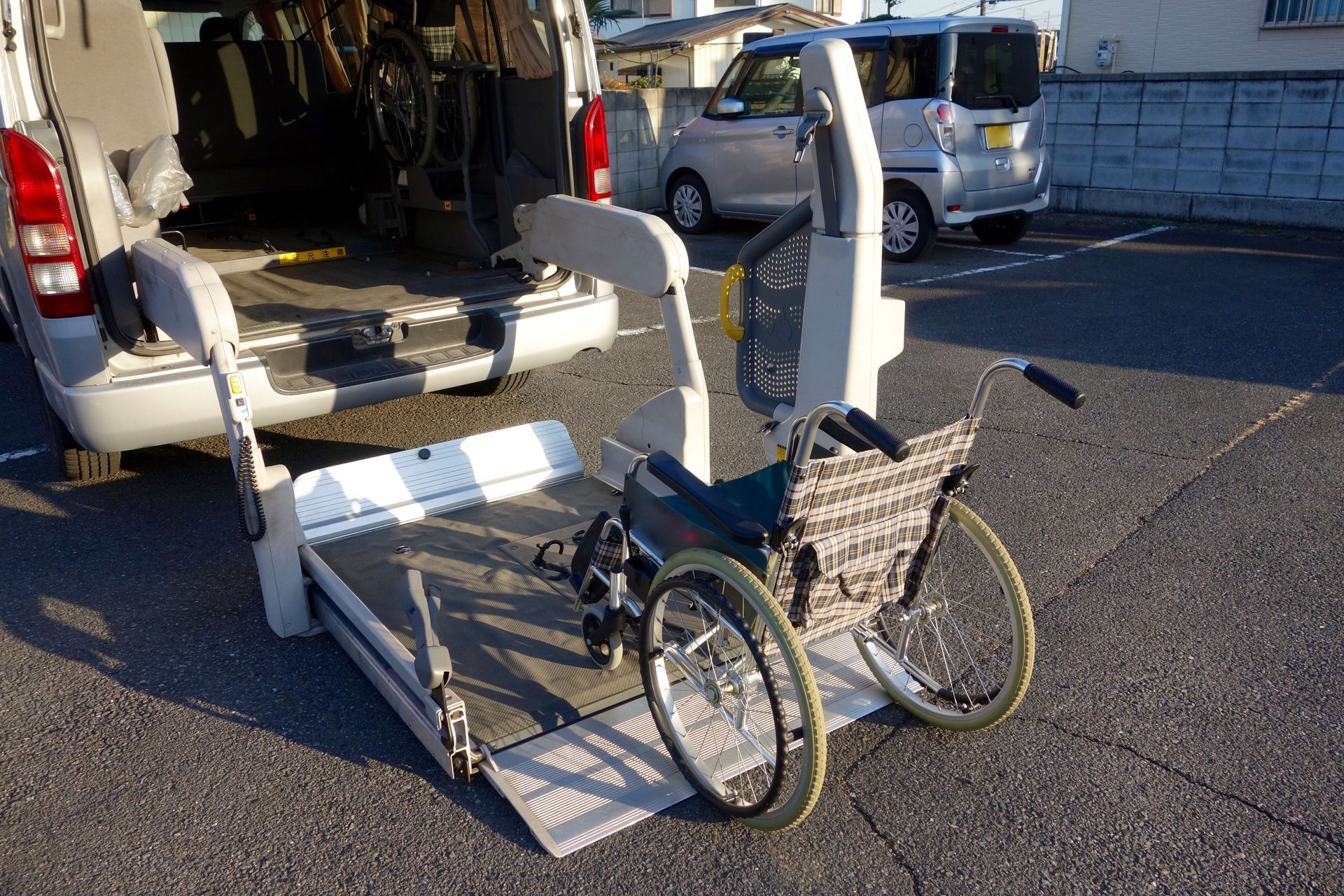
Are you looking for a mobility product that helps you regain quality of life without much effort? Read this to learn how to pick one that suits your needs.

