January 23, 2026
Mobility challenges can change how people experience their homes. Everyday actions such as sitting down, standing up, or shifting positions may become uncomfortable or even unsafe due to aging, injury, surgery, or chronic health conditions. When movement becomes difficult, the home environment must adapt to support comfort, safety, and independence rather than create additional barriers.
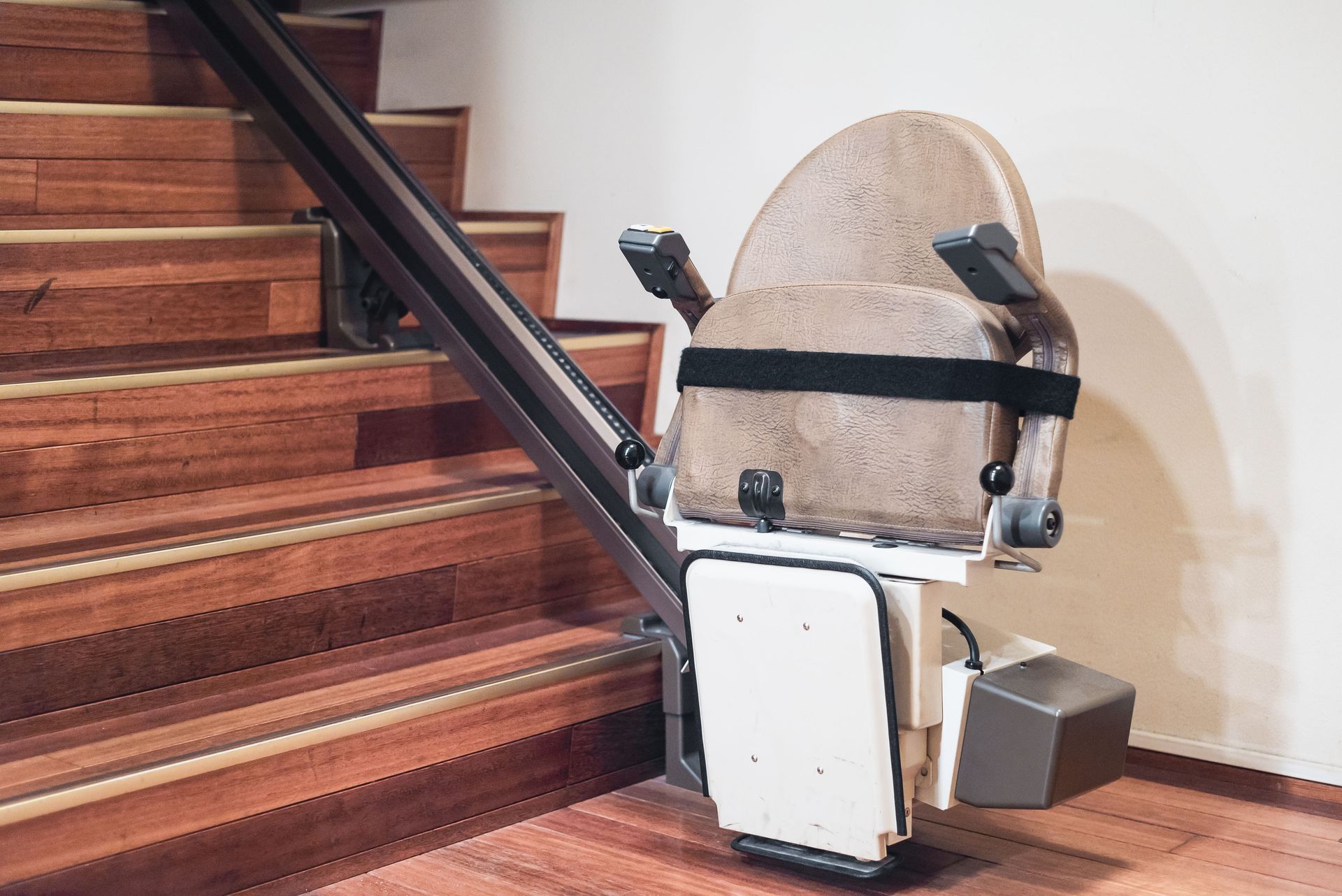
One solution many households explore is a lift chair, which is designed to help individuals move between seated and standing positions with greater ease. While these chairs are often associated with aging in place, they are equally useful for people recovering from medical procedures or living with temporary mobility limitations. However, choosing and installing the right option requires thoughtful planning.
This guide explains how these chairs work, how to evaluate personal needs, how to prepare your home, and how to ensure long-term safety and comfort. With the right information, homeowners and caregivers can make confident decisions that improve daily life without sacrificing style or usability.
Understand What a Lift Chair Is and How It Works
A lift chair looks similar to a traditional recliner but includes a powered lifting mechanism that gently tilts the seat forward. This motion helps users rise to a standing position without relying heavily on their legs or core strength. The movement is controlled and gradual, which reduces strain on joints and lowers the risk of losing balance.
Inside the chair, a motorized system responds to simple controls, typically through a handheld remote. Users can adjust the chair’s position smoothly, moving from upright to reclined and back again as needed. This controlled support is particularly valuable for individuals who experience pain, stiffness, or weakness when standing up from standard seating.
Beyond the lifting function, these chairs are designed with stability and comfort in mind. Proper cushioning, reinforced frames, and ergonomic support all contribute to a safer seating experience that encourages users to remain active within their homes.
Explore Available Styles and Positioning Options
There are several styles available, each designed to meet different comfort and mobility needs. Some models offer basic reclining and lifting support, while others allow for more advanced positioning. The level of adjustability often determines how suitable the chair is for extended use throughout the day.
More advanced options allow the backrest and footrest to move independently, enabling users to find positions that reduce pressure, improve circulation, or support relaxation. These variations are especially helpful for individuals who spend long periods seated or who need specific positioning for medical reasons.
Selecting the right style depends on how frequently the chair will be used and what activities it will support. Whether it’s used for reading, resting, or watching television, the chair should enhance daily comfort rather than limit movement.
Evaluate Personal Mobility and Health Requirements
Before making a purchase, it’s important to assess the user’s current mobility level and any health conditions that may affect seating needs. Consider how difficult it is to stand without assistance, how often help is needed, and whether fatigue or pain plays a role in daily movement.
Health conditions such as arthritis, joint pain, or circulation concerns may benefit from specific positioning or additional comfort features. Consulting a healthcare provider can offer clarity on what level of support is appropriate and whether certain features should be prioritized.
Choosing a lift chair that aligns with both current and potential future needs helps ensure long-term value. A well-matched option can reduce reliance on caregivers and promote greater confidence during everyday activities.
Assess Home Layout and Accessibility Challenges
The layout of a home significantly impacts how effective mobility solutions can be. Many homes were not originally designed with accessibility in mind, which can create challenges when introducing specialized seating. Hallway widths, furniture placement, and floor transitions all influence how well the chair integrates into the space.
According to Consumer Affairs, almost all U.S. homes need modifications for limited mobility, as only 3.5% of existing homes feature single-floor living, no-step entries, and extra-wide hallways and doors. This highlights why thoughtful placement and planning are essential when adding supportive equipment.
Measuring the available space, accounting for reclining clearance, and ensuring clear walking paths help prevent the chair from becoming an obstacle rather than a solution.
Choose the Correct Size, Capacity, and Upholstery
Proper sizing is critical for both safety and comfort. The chair should match the user’s height and weight so that feet rest flat on the floor when seated and the lifting motion feels stable. Chairs that are too small or too large can reduce effectiveness and increase discomfort over time.
Upholstery choices also matter. Materials vary in durability, ease of cleaning, and comfort. Some households prefer fabrics that resist spills or pet hair, while others prioritize softness or temperature regulation. The goal is to select a design that fits naturally within the home environment.
A well-chosen lift chair should blend into the room visually while still providing the support needed for daily use.
Prepare Your Home Before Installation
Preparing the home ahead of delivery helps ensure a smooth installation process. Identify a location near a power outlet and remove any loose rugs, cords, or clutter that could interfere with operation. The floor should be level and stable to support the chair’s movement safely.
Consider how the chair fits into daily routines. Placement near frequently used furniture, lighting, or assistive devices can improve usability. Planning these details in advance reduces the need for adjustments later.
Proper preparation allows the chair to be used immediately and safely once installed.
Decide Between Professional Setup and Self-Installation
Some chairs arrive mostly assembled, while others require more detailed setup. Professional installation ensures all components are aligned correctly and tested before use, which can provide peace of mind for users and caregivers alike, especially when mobility or safety concerns are present.
Self-installation may be an option for those comfortable following instructions, but it requires careful attention to safety checks and operational testing. Regardless of the approach, the chair should be tested through all positions before regular use begins.
Correct installation ensures the lift chair performs reliably and safely over time.
Maintain Performance Through Ongoing Care
Routine maintenance helps extend the lifespan of the chair and ensures consistent performance. Regularly inspect moving parts, upholstery, and electrical connections for signs of wear. Keeping the chair clean prevents debris from interfering with its mechanisms and reduces the risk of mechanical strain over time.
Following manufacturer care instructions preserves both appearance and functionality. Addressing small issues early can prevent more serious problems later, such as motor failure or uneven movement. Periodic checks also help ensure the chair continues to operate smoothly and safely for daily use.
With consistent upkeep, the lift chair remains a dependable part of the home environment.
Adding a
lift chair to your home can significantly improve comfort, safety, and independence when mobility becomes a challenge. By understanding how these chairs function, evaluating personal needs, preparing your space, and committing to proper maintenance, you can create a more supportive and accessible living environment.
If you’re considering your options or need professional guidance, Community Pharmacy & Mobility can help you find the right solution for your home and lifestyle. Our knowledgeable team can answer questions, explain features, and help you take the next step toward safer, more confident living.