June 15, 2026
Maintaining personal independence and staying active are vital components of a fulfilling life. However, for many individuals, physical limitations can turn standard daily tasks into demanding obstacles. Fortunately, the continuous evolution of supportive technology has led to an expansive market of specialized equipment designed to bridge these gaps. These tools do not just offer structural support; they restore autonomy, boost confidence, and allow individuals to navigate their environments with comfort and dignity.
Mobility products play a pivotal role in enhancing the quality of life for individuals facing mobility challenges. These aids provide critical support, ensuring that those with mobility difficulties can maintain independence and engage in everyday activities with greater ease. From traditional devices like wheelchairs and walkers to modern innovations integrating smart technology, diverse mobility products cater to a vast array of needs.
According to Dimension Market Research, about 13.7% of U.S. adults report having mobility difficulties, and millions use mobility aids such as canes, walkers, or wheelchairs, reflecting substantial ongoing demand for mobility solutions. This article delves into various cutting-edge mobility products and their significant impact on the lives of users.
1. Wheelchairs: A Timeless Mobility Solution
Wheelchairs remain a fundamental option for individuals with mobility impairments, providing foundational freedom and autonomy. The main categories include manual wheelchairs, powered wheelchairs, and sports wheelchairs, each engineered to meet distinct physical capabilities and lifestyle preferences.
When choosing a wheelchair, it is crucial to consider features that impact long-term comfort and daily usability. Adjustable seats, especially those that offer a reclining or tilting option, significantly enhance comfort by allowing users to change their sitting position and relieve pressure points. Lightweight frames, often made of aerospace-grade aluminum or titanium, are highly beneficial for manual wheelchair users, facilitating easier maneuverability and simple vehicle transportation.
Proper maintenance and care are vital to the longevity of a wheelchair and ensuring it operates safely. Routine inspections for wear and tear, particularly on wheels, bearings, and locking brakes, help prevent structural issues that could lead to accidental slips. Regular cleaning is also essential to remove dirt, hair, and household debris, which can accumulate over time and slow down moving parts. For powered models, battery maintenance is crucial; this includes keeping the battery properly charged and checking terminal connections for corrosion or damage.
2. Mobility Scooters: Convenience and Performance
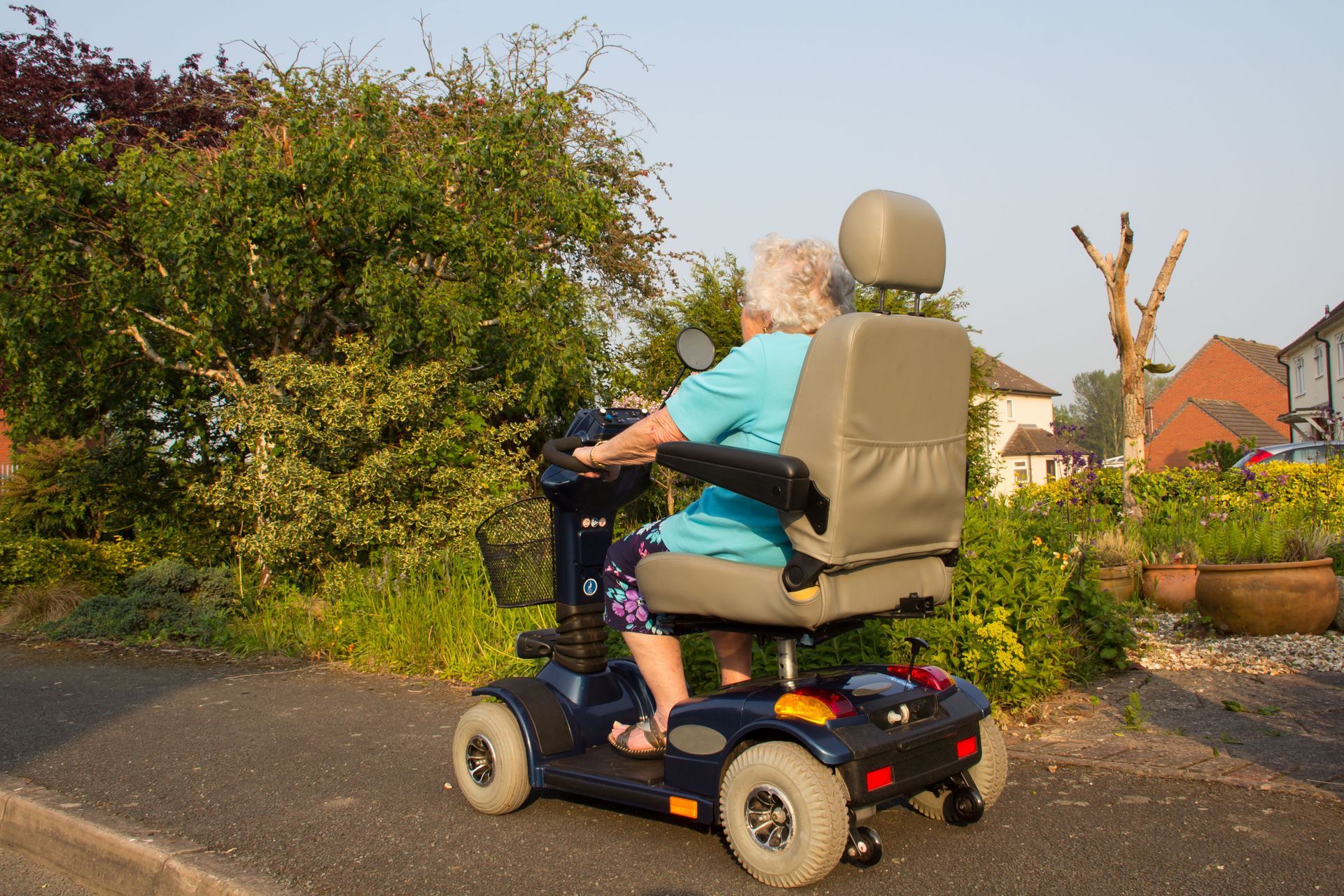
Mobility scooters offer a perfect blend of convenience, speed, and mechanical performance, empowering users to travel further distances without physical exhaustion. These scooters are particularly beneficial for individuals who can stand or walk short distances but require stable assistance for longer outdoor journeys.
One of the key advantages of choosing a scooter is its ability to immediately restore a sense of personal independence. This allows users to conduct neighborhood errands, visit local parks, or enjoy outdoor leisure activities without relying on family members or assistants. Additionally, many scooters are designed with excellent ergonomic comfort in mind, including captain's chairs, padded armrests, and spacious legroom. The increased travel range provided by these devices significantly enhances the user's overall mental and physical health.
Potential buyers should look for several key features when assessing mobility scooters. Travel range and total battery life are critical factors, as they determine the exact distances that can be traveled without needing an overnight recharge. Weight capacity is another important consideration, ensuring the scooter frame can support the user and any carried items comfortably.
3. Walkers and Rollators: Enhancing Balance and Stability
Walkers and rollators are essential mobility products for improving balance, reducing fatigue, and establishing structural stability for individuals who require extra support while walking. Basic walkers offer a simple yet highly effective solution, particularly standard models which provide significant stability with their rigid, four-legged design. Two-wheeled walkers, equipped with small wheels on the front legs and sliders on the back, offer more fluid movement for users who may find lifting a standard walker difficult.
Choosing the right walker or rollator depends heavily on the user's individual balance levels and the primary environment in which it will be utilized. For those who remain primarily indoors, a narrow, compact walker might be sufficient to clear bathroom doorways, while consistent outdoor use may require a more robust rollator with large, rubberized wheels and enhanced shock absorption. The physical height of the device is another critical factor to consider; correctly fitted handles prevent chronic strain on the back, neck, and arms.
4. Lifts and Stairlifts: Overcoming Vertical Barriers
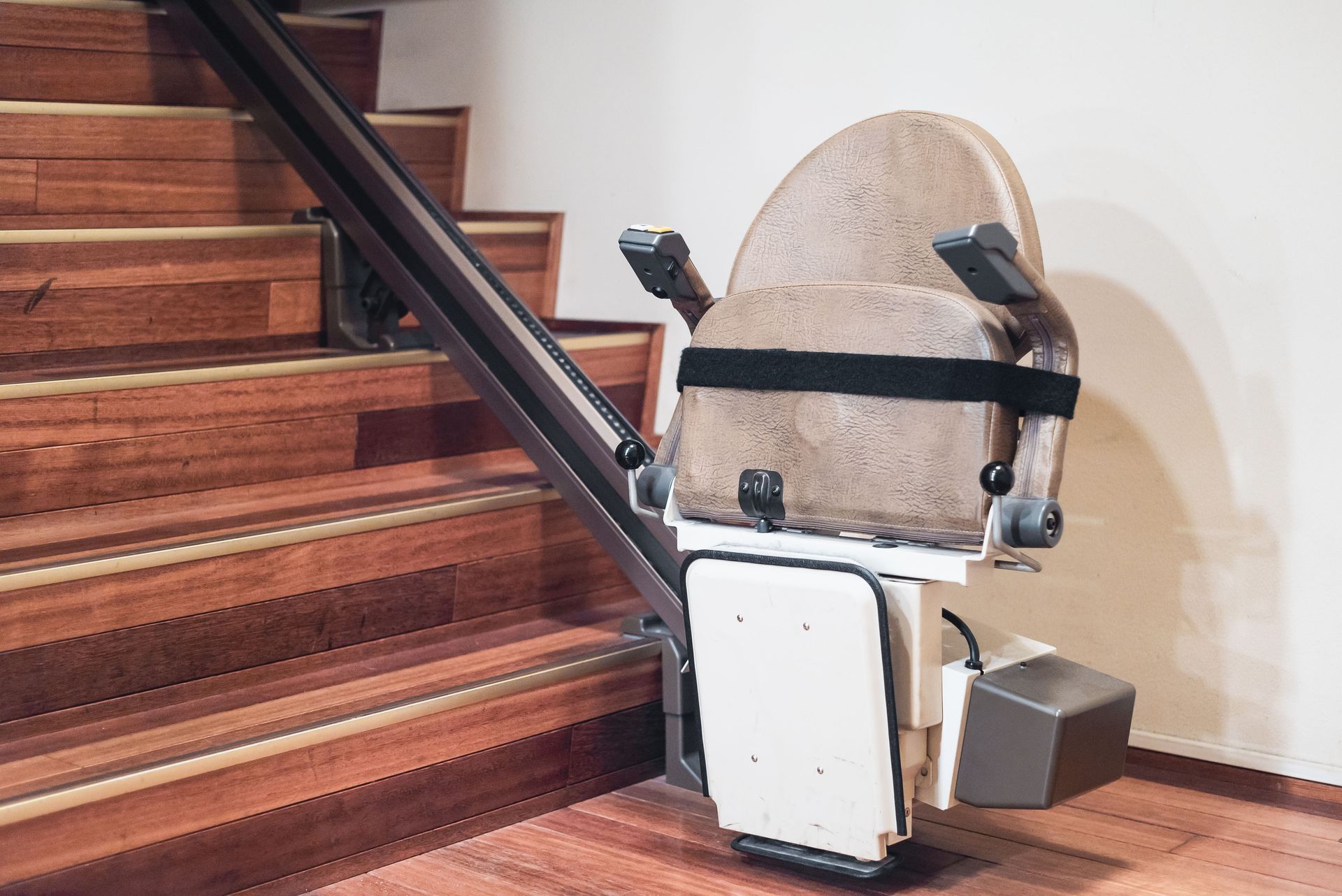
Lifts and stairlifts provide crucial architectural solutions for overcoming vertical barriers, transforming multi-story environments to become accessible. Vertical platform lifts offer wheelchair-friendly transport between different floors or elevated porches, serving as a vital asset for historical or traditional homes. Stairlifts, meanwhile, are specifically designed to navigate standard residential staircases.
They feature a motorized seat that travels smoothly along a mounted rail, allowing users to ascend or descend safely without the risk of falling. These specialized mobility products dramatically enhance freedom of movement for those with limited knee or hip flexibility, opening up previously inaccessible areas of a private home.
Safety is a paramount concern in the operation of mechanical lifts, and manufacturers include numerous features to enhance user security. Standard safety installations include seat belts, speed governors to prevent sudden drops, and sensitive electronic sensors that detect obstructions on the stairs, automatically halting movement to prevent accidents.
5. Accessible Vehicles: Expanding Your Reach
Accessible vehicles are integral in expanding the long-distance travel capabilities of individuals with severe physical impairments, enhancing community independence. These specialized vehicles, including adapted vans, cars, and SUVs, are equipped with various modifications to accommodate heavy wheelchairs and other complex mobility products.
They often feature lowered floors, automatic fold-out side ramps, or hydraulic lifts, enabling wheelchairs to be comfortably rolled directly into the cabin. Seats inside these vehicles may swivel outward or have automated adjustable heights to facilitate easy transfers from a sitting position. For non-wheelchair users who have limited lower-body control, digital hand controls, steering wheel knobs, and other adaptive technologies add essential, user-friendly modifications that enhance driving comfort and highway safety.
Choosing the right accessible vehicle involves evaluating personal and family needs, considering both daily routines and potential future healthcare challenges. Important factors in the selection process include total seating capacity, cargo space for extra medical equipment, and the long-term capability to integrate additional assistive technology. Adaptive technologies, like hand-controlled acceleration and braking systems, allow individuals with physical disabilities the freedom to drive independently, contributing greatly to their personal autonomy. Regular mechanical maintenance and compliance with state safety standards ensure that these heavy vehicles remain secure and functional, supporting the dynamic travel needs of users.
Mobility products are transformative tools that significantly enhance the daily lives of individuals facing physical challenges. They offer invaluable physical support, empowering users by promoting independence, household safety, and community accessibility. From wheelchairs and scooters to stairlifts, modified vehicles, and smart home integrations, these diverse solutions cater to a wide array of personal needs and active lifestyles. As manufacturing technology continues to advance, the future of assistive devices is incredibly bright, promising even greater innovations that will further improve user comfort and connection.
If you or a loved one is ready to explore high-quality equipment tailored to your lifestyle, consider reaching out to a trusted local provider. The knowledgeable team at Community Pharmacy & Mobility is dedicated to helping you find the ideal setup, providing expert guidance, reliable maintenance, and personalized solutions to ensure you can navigate your world with total confidence and ease.