October 26, 2026
Caregiving often involves much more than helping with appointments or medications. Daily routines may include bathing, dressing, transferring from a bed or chair, moving safely through the home, and managing personal care. Having the right equipment available can make those responsibilities safer and more manageable for both the caregiver and the person receiving care.
Community Pharmacy & Mobility has served Toms River, New Jersey, and the tri-state area since 1960. The family-owned business combines a full-service pharmacy with mobility products, home safety equipment, daily living aids, rentals, in-home evaluations, custom fittings, and white-glove delivery. When choosing medical supplies, caregivers should focus on the person's needs, abilities, home environment, and professional recommendations.
According to Pharmi Web, the U.S. pharmacy market is projected to grow at a compound annual growth rate (CAGR) of approximately 5–6% from 2024 to 2029. As product choices expand, caregivers should focus on equipment that solves specific daily challenges rather than simply adding more items to the home.
1. First Aid and Basic Care Supplies
A basic collection of first aid and personal care products can help caregivers respond to routine needs without searching for supplies at the last minute. Bandages, gauze, gloves, and similar items are useful for everyday care when appropriate.
Community Pharmacy & Mobility carries gloves, bandages, gauze, and other medical-grade items. Keeping them organized in one accessible location can make routine care easier, particularly when several people share caregiving responsibilities.
Supplies should be reviewed periodically so damaged, opened, or expired products can be replaced. Caregivers should also know when an injury or change in condition requires professional medical attention. A stocked cabinet improves preparedness, but it does not replace guidance from a healthcare professional when needed.
2. Mobility Aids That Match the Person's Abilities
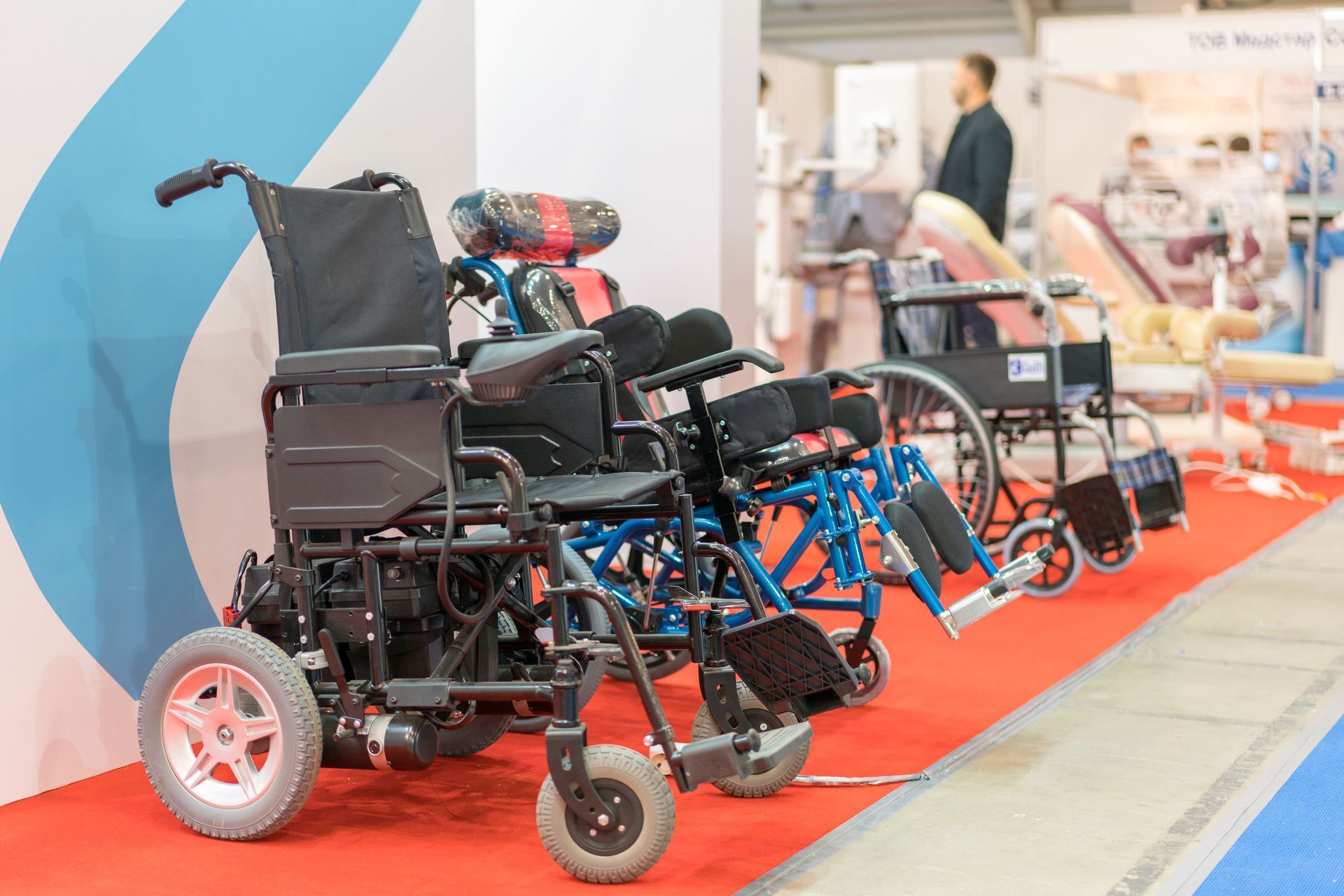
Mobility needs can vary considerably. One person may need a cane for occasional support, while another may rely on a walker, wheelchair, powered wheelchair, mobility scooter, or transfer aid for everyday movement.
Community Pharmacy & Mobility offers walkers, canes, mobility scooters, powered wheelchairs, transfer lifts, and related products. It provides both sales and rentals for many types of equipment, which can help when a need is temporary or a family is still determining what works best.
The correct fit matters as much as the product itself. Equipment that is too large, too small, difficult to maneuver, or poorly suited to the home may create new challenges. Community Pharmacy & Mobility offers in-home evaluations and guidance to help identify appropriate equipment.
Before purchasing or renting mobility equipment, consider where it will be used, how much assistance is required, doorway dimensions, transportation needs, and whether the user can operate it safely.
3. Bathroom Safety Equipment
Bathrooms can be difficult spaces for someone with limited strength, balance, or mobility. Getting in and out of a shower, lowering onto a toilet, standing back up, and moving across wet surfaces may all require additional support.
Useful bathroom medical supplies can include shower chairs, transfer benches, raised toilet seats, commodes, grab bars, and other stability aids. Community Pharmacy & Mobility also carries Dignity lift toilets and bariatric bathroom equipment.
The company also offers in-home evaluations and installation for many bathroom and home safety products. That can be particularly valuable for items such as grab bars, where placement and secure installation affect how useful the product will be.
Look at the entire bathroom routine rather than buying one product in isolation. Consider transfers, access to bathing supplies, shower entry, toilet use, and movement through the room. The right combination of equipment can make those tasks easier.
4. Bedroom and Transfer Equipment
Getting into bed, changing position, sitting upright, or transferring out of bed can become difficult after an injury, surgery, illness, or change in mobility. Equipment designed for the bedroom can support both the person receiving care and the caregiver assisting them.
Community Pharmacy & Mobility carries medical beds, including bariatric and extra-long options, along with bed rails, wedges, mattress pads, underpads, pillows, and other bedroom safety products. In-home evaluations can help determine which options may suit the person's needs.
A properly selected bed can make positioning and caregiving tasks easier, while bed rails, wedges, or transfer equipment may provide additional support. Because needs differ, caregivers should seek professional guidance when they are unsure which equipment is suitable.
For short-term recovery, renting may make more sense than purchasing. Community Pharmacy & Mobility offers rental options for medical equipment, with delivery, setup, and pickup available.
5. Daily Living Aids for Routine Tasks
Small daily tasks can become frustrating when someone has limited reach, grip strength, vision, coordination, or endurance. Daily living aids are designed to make ordinary activities easier without requiring the caregiver to take over every task.
Community Pharmacy & Mobility carries weighted utensils, magnifiers, bed and lap trays, reachers, urinals, bed wedges, pillows, and other household and personal-care aids. These products can support eating, dressing, reaching objects, reading, and other routines.
The best daily living aid is one the person will actually use. Focus on the tasks causing the most difficulty and choose products that address those specific problems. Supporting independence can also reduce the number of tasks a caregiver must perform directly.
6. Incontinence and Personal-Care Supplies
Incontinence care can be an important part of caregiving, particularly for individuals with limited mobility or certain medical conditions. Having appropriate supplies readily available can simplify changes, protect bedding and furniture, and make personal care more organized.
Community Pharmacy & Mobility lists adult briefs and underpads among its daily living and bedroom products. Its broader personal-care and bathroom selection can help caregivers build a routine around the person's needs.
Keep frequently used items in a convenient location and maintain enough inventory to avoid running out. Same-day and next-day delivery can be especially useful for supplies used regularly or purchased in larger quantities.
7. Braces, Medical Stockings, and Support Garments
Some people need braces, compression stockings, or other support garments as part of their daily routine. Unlike basic household supplies, these products often depend on correct sizing and fit to provide the intended support comfortably.
Community Pharmacy & Mobility provides medical stocking, garment, and brace services, including made-to-fit garments and custom fittings. Its daily living inventory also includes back and knee braces.
Follow the person's healthcare provider when a specific compression level, brace, or garment has been prescribed. Professional fitting can help ensure the product matches the individual's measurements and intended use.
This is one area where buying medical supplies from a provider that offers personal assistance can be especially useful. Instead of guessing at sizing, caregivers can ask questions and receive help identifying an appropriate option.
Look Beyond Individual Products to the Home as a Whole
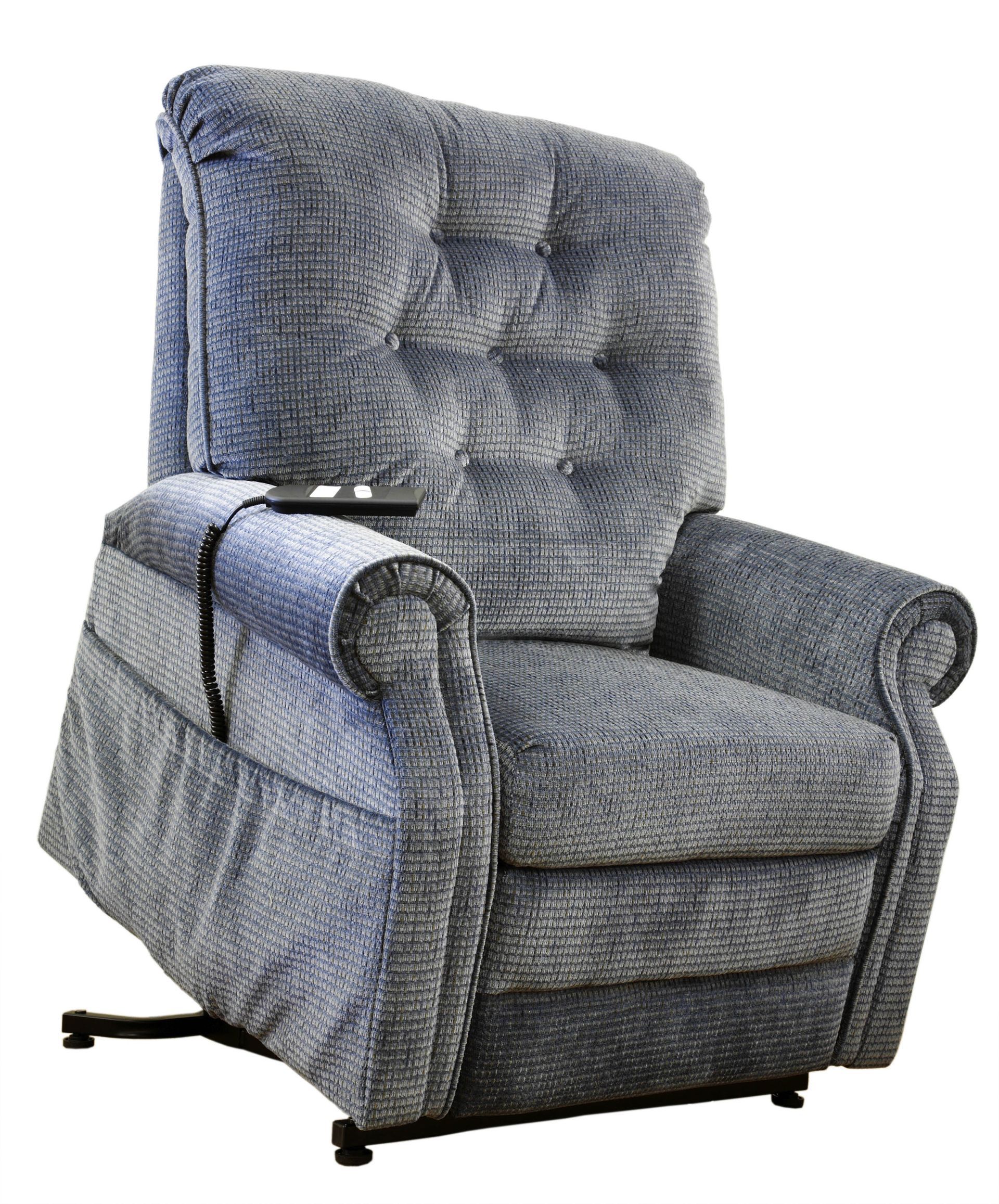
Caregiving needs often overlap. Someone who uses a walker may also benefit from bathroom equipment, a lift chair, a ramp, or a stairlift. A person returning home after surgery may temporarily need a medical bed and mobility aids.
Community Pharmacy & Mobility offers lift chairs, ramps, stairlifts, home safety assessments, mobility equipment, and medical equipment sales and rentals. In-home evaluations can help families look at movement through the entire property rather than one room at a time.
The company also provides custom fittings, pharmacist consultations, white-glove delivery, and same-day or next-day delivery. These services can help when equipment must be selected, delivered, set up, or adjusted.
Choose Medical Supplies Around the Person, Not Just the Checklist
No caregiver needs every product on the same list. The right medical supplies depend on mobility, health needs, home layout, independence, and the type of assistance required each day.
Community Pharmacy & Mobility offers medical-grade equipment, daily living aids, bathroom safety products, mobility equipment, medical wear, and pharmacy services from its Toms River location. Many products are available to buy or rent, and the company has served the community for more than 60 years.
Start by identifying the tasks that are most difficult or create the greatest safety concerns. Then work with healthcare professionals and an experienced equipment provider to determine which products may help. A carefully selected group of supplies can make caregiving more organized while supporting comfort, mobility, and independence.