


Discover how disability scooters improve mobility, independence, and daily comfort while helping individuals stay active and connected to their communities.
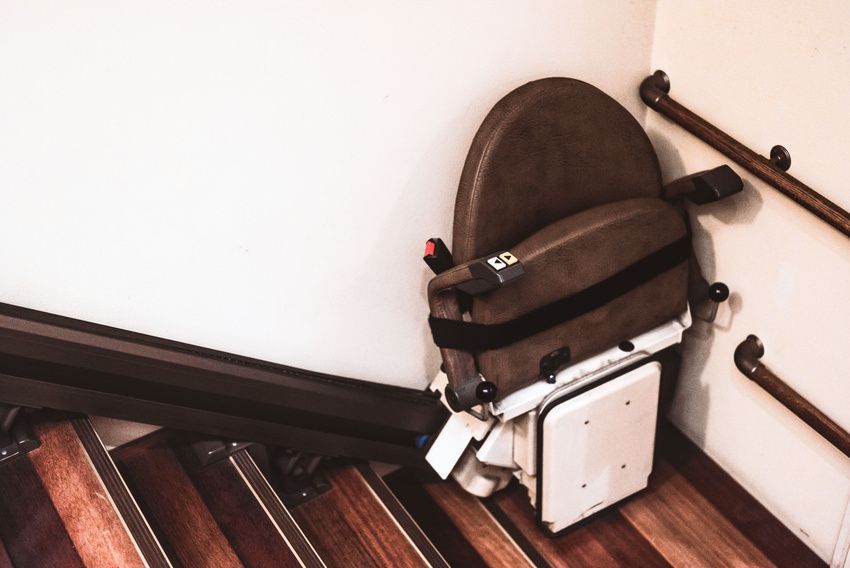
For individuals experiencing mobility challenges, everyday activities like sitting down and standing up can become increasingly difficult. Finding comfortable, supportive seating can make a meaningful difference in maintaining independence and enjoying daily routines. At Community Pharmacy & Mobility, we understand how important it is to find mobility equipment that accommodates individual needs while providing comfort, convenience, and reliable assistance. Lift chairs are designed to help individuals transition between seated and standing positions with less physical effort. With adjustable positioning, supportive designs, and convenient features, these specialized recliners can improve accessibility throughout the home. Understanding their benefits and available options can help individuals and caregivers make informed decisions about mobility support. Understanding the Benefits of Mobility Assistance Supporting Easier Sitting and Standing One of the primary advantages of powered seating is its ability to assist with everyday transitions. A motorized lifting mechanism gradually raises the seat and tilts it forward, helping users move toward a standing position without placing as much strain on their legs and joints. For individuals experiencing arthritis, muscle weakness, or limited flexibility, this assistance can make routine movements more manageable. Unlike traditional recliners, lift chairs provide additional support during transitions that might otherwise require considerable physical effort. The appropriate equipment can also help individuals feel more confident when navigating their daily routines. Encouraging Greater Personal Independence Maintaining independence is an important consideration for individuals experiencing physical limitations. Having access to supportive mobility equipment may reduce the amount of assistance required for certain everyday activities. According to HUD USER, 12% of homes include at least one person who has mobility-related challenges. This statistic highlights the importance of accessible living environments and practical equipment that accommodates different physical abilities. At Community Pharmacy & Mobility, we recognize that mobility needs vary considerably. Choosing equipment that supports an individual's capabilities can help create a more comfortable and accessible home environment. Assisting Family Members and Caregivers Family caregivers frequently help loved ones navigate daily movements, including getting in and out of chairs. These activities can be physically demanding, particularly when an individual requires substantial assistance. Powered seating can reduce some of the physical effort involved in these transitions. By providing controlled movement, the equipment may allow users to participate more actively in standing and sitting. However, individuals with significant balance difficulties may still require supervision or hands-on assistance. Selecting appropriate equipment should involve consideration of the user's physical capabilities and professional recommendations. Exploring Different Types of Powered Seating Comparing Two-Position Recliners Two-position models generally offer an upright seating position and a partially reclined setting. These options are suitable for individuals who primarily want assistance standing while maintaining comfortable seating for reading, watching television, or socializing. Their relatively straightforward operation makes them appealing to individuals who prefer simple controls and limited adjustments. When evaluating lift chairs, users should consider whether the available reclining positions accommodate their preferred activities and physical requirements. Comparing Three-Position Recliners Three-position models offer greater reclining flexibility than basic two-position designs. Users can typically select upright, partially reclined, and more extensively reclined positions. This additional flexibility can make the equipment useful for individuals who spend extended periods sitting throughout the day. Although these models provide more positioning choices, their backrests and footrests generally move together. Understanding these limitations helps buyers determine whether the available adjustments will meet their expectations. Comparing Infinite-Position Recliners Infinite-position models typically feature independently adjustable backrests and footrests, providing greater flexibility for personalized seating. These designs can accommodate individuals who need specific positioning arrangements for comfort or accessibility. Certain models also offer adjustable headrests, lumbar support, and additional reclining configurations. The increased customization can be particularly valuable for individuals whose mobility needs change throughout the day. Our team at Community Pharmacy & Mobility encourages customers to consider both immediate comfort and anticipated long-term requirements when exploring available seating options. Evaluating Comfort and Safety Features Considering Supportive Seating and Posture Proper seating support contributes to comfort during extended periods of sitting. Seat depth, backrest height, cushioning, and armrest placement all influence how well a chair accommodates an individual's body. A chair that is too deep may make positioning difficult, while insufficient back support can contribute to discomfort. Professionally selected lift chairs can provide adjustable positioning that supports more comfortable sitting arrangements. Individuals with specific medical or postural concerns should consult their healthcare professionals about appropriate seating requirements. Considering Adjustable Reclining and Leg Support Adjustable reclining features allow individuals to change positions throughout the day. Some models also provide elevated leg positioning, which may improve comfort for users who experience tired or uncomfortable legs. However, reclining and leg elevation are not substitutes for medical treatment. Individuals with circulation disorders, swelling, or other health concerns should follow guidance from qualified healthcare providers. The goal is to select equipment that complements individual comfort needs without making unsupported assumptions about medical benefits. Considering Stability and Safe Operation Safety should remain a priority when selecting mobility equipment. A stable base, appropriately sized seat, accessible controls, and reliable lifting mechanism are important considerations. Users should also evaluate whether they can maintain their balance as the chair moves toward a standing position. Lift chairs can assist with transitions, but they cannot independently prevent falls. Individuals with significant mobility limitations may need additional support or professional assessment to determine whether powered seating is appropriate. Selecting Equipment for Individual Needs Assessing Size and Weight Capacity Choosing the correct chair dimensions is essential for both comfort and functionality. Seat width, seat height, depth, and weight capacity should correspond to the intended user's measurements. An improperly sized chair may make positioning uncomfortable or reduce the effectiveness of its lifting assistance. Our team can help customers understand available specifications and compare equipment based on their individual needs. Considering these details before purchasing can prevent unnecessary inconvenience and support long-term satisfaction. Assessing Upholstery and Additional Features Modern powered recliners are available in numerous upholstery materials, colors, and styles. Fabric, microfiber, and other coverings offer different combinations of softness, appearance, and maintenance requirements. Some models also include heating, massage, USB charging ports, or adjustable lumbar support. While additional features can improve convenience, they should not overshadow essential considerations such as fit, stability, and ease of operation. The most suitable chair is one that accommodates the user's daily activities and physical requirements. Assessing Available Living Space Room dimensions are another important consideration. Powered recliners require sufficient clearance to operate safely, and some models need additional space behind the backrest. Wall-hugger designs may offer practical alternatives for smaller rooms, although clearance requirements vary by manufacturer. Professional assistance can help customers identify suitable models while accounting for available floor space, nearby furniture, and accessible walking pathways. Planning for Long-Term Mobility Support Understanding Purchase and Coverage Considerations Purchasing mobility equipment involves evaluating initial costs, available features, durability, and potential coverage options. Under qualifying circumstances, Medicare Part B may cover the medically necessary seat-lift mechanism of an approved chair, rather than the entire recliner. Coverage depends on applicable medical criteria, documentation, and supplier requirements. Customers should verify eligibility with their insurance provider and healthcare professional before assuming reimbursement is available. At Community Pharmacy & Mobility, we believe understanding these considerations helps individuals make purchasing decisions that align with their needs and budgets. Understanding Warranty and Service Considerations Warranty protection and dependable service are important when purchasing equipment intended for frequent use. Customers should review manufacturer warranties, including coverage for motors, electrical components, frames, and upholstery. Professional delivery and setup services may also simplify the purchasing experience. Choosing a knowledgeable mobility equipment provider can make it easier to understand product features, manufacturer recommendations, and available support if questions arise. Understanding Changing Mobility Requirements Mobility needs may evolve because of aging, recovery, or changes in physical health. Equipment that works well today should also be evaluated for its potential usefulness over time. For example, individuals may benefit from additional reclining adjustments or more accessible controls as their requirements change. Discussing current challenges and future considerations with healthcare professionals and experienced equipment providers can help identify practical solutions. At Community Pharmacy & Mobility, we're committed to helping individuals explore lift chairs that support greater comfort, accessibility, and confidence at home. Whether you're shopping for yourself or assisting a loved one, our team can help you compare available options and understand important features. Contact us today to learn more about our mobility equipment and find a seating solution suited to your everyday needs.
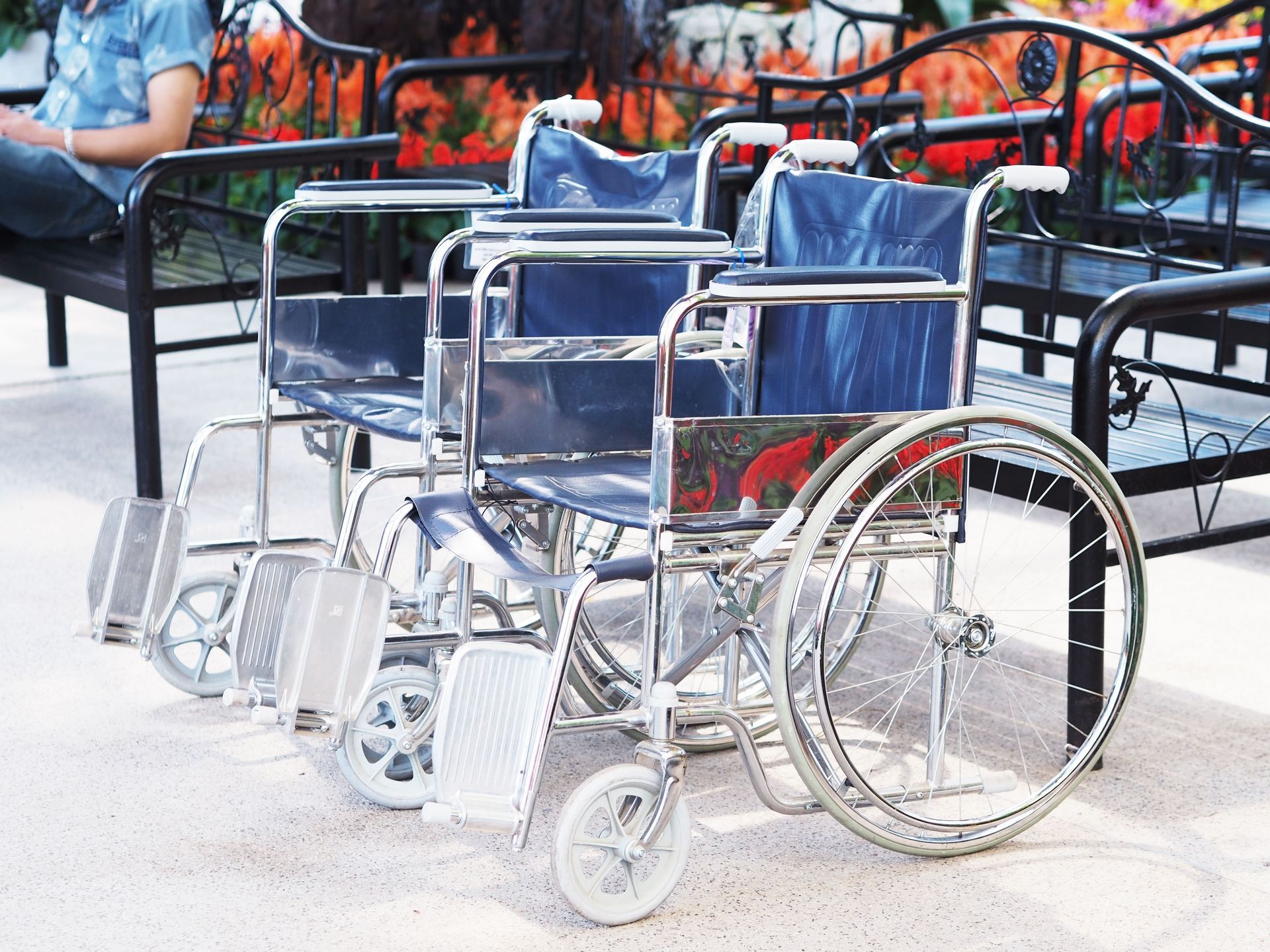
Maintaining independence is an important part of enjoying everyday life, regardless of age or physical ability. For individuals experiencing difficulty walking, maintaining balance, or traveling longer distances, mobility products can provide valuable assistance. From wheelchairs and scooters to walkers and canes, these devices help people navigate their surroundings with greater confidence and comfort. At Community Pharmacy & Mobility, we understand that finding the right mobility equipment is about more than convenience. It is about helping individuals maintain their routines, participate in meaningful activities, and enjoy greater freedom. Understanding the different benefits of mobility aids can help individuals and caregivers make informed decisions about their needs. Understanding Different Types of Mobility Aids Mobility equipment comes in several forms, each designed to address different physical challenges. Selecting an appropriate device depends on a person's strength, balance, endurance, environment, and daily activities. Exploring Wheelchairs and Scooters Manual wheelchairs provide seated mobility for individuals who have difficulty walking or standing for extended periods. Power wheelchairs offer motorized assistance and may be appropriate for people who need additional support navigating their surroundings. Mobility scooters are another option for individuals who can operate their controls and maintain an appropriate seated position. These devices can make traveling longer distances less physically demanding, particularly during shopping trips, community outings, and other activities. Exploring Walkers and Canes Walkers and canes provide additional stability for individuals who can walk but require assistance maintaining balance. Canes offer relatively lightweight support, while walkers provide a broader base of stability. Some walkers include wheels, seats, and storage compartments, offering convenience during daily activities. Professional guidance can help determine which features are appropriate for a person's physical capabilities and surroundings. Exploring Adjustable Equipment Features Modern mobility products include features designed to accommodate different body types and physical requirements. Adjustable seating, supportive armrests, ergonomic handles, and specialized cushioning can improve comfort during use. Proper equipment selection is especially important because poorly fitting devices may create discomfort or make movement more difficult. Professional assessments help identify appropriate dimensions, features, and support levels before equipment is selected. Improving Physical Comfort and Safety Physical comfort and stability are important considerations for individuals with mobility limitations. Appropriate assistive equipment can make routine movement less demanding while supporting safer participation in everyday activities. Reducing Physical Strain Walking long distances or standing for extended periods can be challenging for individuals experiencing joint discomfort, muscle weakness, or reduced endurance. Wheelchairs and scooters can reduce the physical effort required to travel between locations. Meanwhile, walkers and canes provide support during activities that involve standing or walking. Choosing appropriate mobility products can help individuals conserve energy while maintaining greater comfort throughout their daily routines. The goal is not necessarily to eliminate physical activity but to provide assistance that complements an individual's abilities and healthcare recommendations. Supporting Balance and Stability Balance difficulties can make navigating unfamiliar environments particularly challenging. Uneven surfaces, crowded spaces, and changes in flooring may create additional concerns. Properly selected mobility equipment can provide greater stability and help users approach daily activities with confidence. However, no device completely eliminates the possibility of falls or injuries. Professional fitting, appropriate instruction, and consideration of environmental conditions remain essential components of responsible equipment use. Supporting Recovery and Rehabilitation Individuals recovering from surgery, illness, or injury may temporarily require mobility assistance. Healthcare professionals sometimes recommend walkers, wheelchairs, or other devices as part of a broader rehabilitation plan. These aids can support movement while helping individuals follow prescribed activity restrictions. Equipment requirements may change throughout recovery, making ongoing communication with healthcare providers important. At Community Pharmacy & Mobility, we recognize the importance of selecting equipment that aligns with individual needs and professional medical recommendations. Enhancing Emotional Well-Being and Independence Mobility limitations can affect more than physical movement. They may also influence confidence, relationships, and participation in meaningful activities. Building Confidence in Daily Activities The ability to navigate familiar surroundings can contribute to a stronger sense of independence. Tasks such as visiting neighbors, attending appointments, or shopping may become more manageable with appropriate assistance. When individuals feel comfortable using their equipment, they may approach everyday responsibilities with greater confidence. Mobility products can support this independence by reducing some of the physical barriers that interfere with established routines. Maintaining Social Connections Social interaction is an important part of emotional well-being. However, limited mobility can make visiting friends, attending gatherings, or participating in community events more challenging. Scooters, wheelchairs, and walking aids may help individuals access activities they would otherwise find difficult. Maintaining these connections can contribute to a greater sense of belonging. Families and caregivers may also appreciate having practical equipment that supports participation in shared experiences. Preserving Personal Autonomy Independence means different things to different individuals. For some, it involves moving comfortably throughout the home. For others, it means attending community activities or completing errands with less assistance. Appropriate equipment can help people retain greater control over their schedules and daily decisions. Rather than focusing exclusively on physical limitations, mobility assistance emphasizes what individuals can continue accomplishing with suitable support. Supporting Independence Throughout Aging As people age, changes in strength, balance, endurance, and joint function may influence their ability to move comfortably. Assistive equipment can help address these changes while supporting familiar lifestyles. Maintaining Familiar Household Routines Many older adults prefer remaining in familiar surroundings as their physical needs change. Mobility aids may make navigating certain household spaces and completing routine activities more manageable. Professionally selected mobility products can help older adults navigate familiar spaces with greater confidence and independence. The appropriate equipment depends on factors such as doorway dimensions, flooring, available space, and individual physical abilities. Professional recommendations can help families evaluate these considerations before choosing a device. Reducing Caregiver Demands Family caregivers frequently assist loved ones with movement, transportation, and daily responsibilities. Suitable mobility products may allow individuals to complete certain activities with less hands-on assistance. This can help caregivers focus their attention on other important responsibilities while supporting the individual's desire for independence. However, mobility equipment does not replace necessary supervision, professional care, or assistance with activities that remain physically challenging. Encouraging Community Participation Remaining involved in community life can provide meaningful opportunities for social interaction and enjoyment. Appropriate mobility equipment may help older adults participate in family celebrations, recreational outings, religious gatherings, and other activities. Choosing a device suited to the intended environment is important, particularly when considering transportation, storage, accessibility, and operating requirements. Understanding the Importance of Professional Guidance Selecting mobility equipment involves more than comparing product appearances or prices. Proper assessments and training can influence comfort, usability, and overall satisfaction. Evaluating Individual Mobility Needs A professional evaluation considers the user's physical abilities, daily routines, and intended environments. Healthcare recommendations may also influence equipment selection. According to a 2025 study published in Scientific Reports and indexed by PubMed, approximately 92.2% of surveyed assistive technology users in India reported satisfaction with their devices, while 88.4% reported satisfaction with assessment and training services. These findings highlight the value users place on both suitable equipment and the services supporting its use. Providing Equipment Training and Support Understanding how equipment operates is essential for comfortable, responsible use. Professional instruction may address device controls, operating limitations, transportation considerations, and routine care requirements. Training also provides opportunities to ask questions and identify concerns before using equipment regularly. At Community Pharmacy & Mobility, we believe informed decisions and appropriate guidance are important parts of finding mobility solutions that fit everyday needs. Considering Long-Term Equipment Needs Physical abilities and daily routines can change over time. Equipment that works well initially may eventually require reassessment as circumstances evolve. Factors such as durability, available accessories, manufacturer support, and maintenance requirements deserve consideration during selection. Planning for these possibilities can help individuals make purchasing decisions that reflect both current needs and anticipated changes. Choosing Mobility Solutions With Confidence Finding suitable mobility assistance begins with understanding personal goals, physical requirements, and everyday challenges. Comfort, stability, accessibility, and ease of operation should all influence equipment selection. At Community Pharmacy & Mobility, we understand how important independence and quality of life are to individuals and their families. Whether someone is exploring a wheelchair, scooter, walker, or another assistive device, thoughtful selection can make a meaningful difference. The right mobility products can support comfortable movement, encourage social participation, and help individuals maintain valued routines. Contact Community Pharmacy & Mobility to learn more about available mobility equipment and discuss options that may support your independence and everyday comfort.

