September 30, 2026
Mobility equipment can make everyday activities more manageable for people who have difficulty walking, standing, or traveling long distances. However, misconceptions about scooters may prevent some individuals from considering whether this type of equipment could fit their needs. Understanding how these devices are designed, who can use them, and what to consider before choosing one can make the process easier.
From assumptions about age to misunderstandings about where scooters can be used, several common myths deserve a closer look. The right equipment depends on an individual's mobility needs, environment, comfort preferences, and intended use. Here are three misconceptions that experts and mobility professionals can help clarify.
Myth 1: Mobility Scooters Are Only for Older Adults
Mobility Needs Can Affect People of Different Ages
One of the most common misconceptions is that a mobility scooter is intended exclusively for seniors. Age can certainly be one factor associated with mobility limitations, but it does not determine whether someone may benefit from powered mobility equipment. People may experience difficulty walking because of an injury, surgery, chronic condition, fatigue, or other circumstances at many different stages of life.
According to Consumer Reports, about 40% of adults age 65 and older have a mobility disability, but mobility scooters are also used by people of various ages with conditions including osteoarthritis, chronic fatigue syndrome, multiple sclerosis, and fibromyalgia. This illustrates why age alone is not an appropriate way to determine whether someone may benefit from a mobility scooter.
Temporary Needs Can Also Justify a Scooter
Another misconception is that scooters are only appropriate for people with permanent disabilities. In reality, some individuals may need additional mobility support temporarily. Someone recovering from surgery or an injury, for example, may have difficulty covering the distances required to complete errands, attend appointments, or participate in normal activities.
Renting can be particularly practical in these circumstances. A person may use a mobility scooter during a recovery period without making a long-term purchase. Rental options can also help travelers or individuals attending a special event manage distances that would otherwise be physically demanding. The appropriate solution depends on the individual's circumstances and recommendations from relevant healthcare professionals.
The Goal Is Supporting Everyday Independence
The purpose of powered mobility equipment is not to define someone's age or physical abilities. Instead, it can help reduce the physical demands associated with getting from one location to another. Someone who becomes fatigued after walking through a large store, for instance, may use a mobility scooter to conserve energy while remaining involved in everyday activities.
A mobility scooter can also support participation in social gatherings, outdoor activities, shopping trips, and other routines. Available designs range from lightweight travel models to larger options intended for extended outdoor use. Evaluating where and how the equipment will be used is therefore more meaningful than focusing on the user's age.
Myth 2: All Mobility Scooters Are Essentially the Same
Different Designs Serve Different Purposes
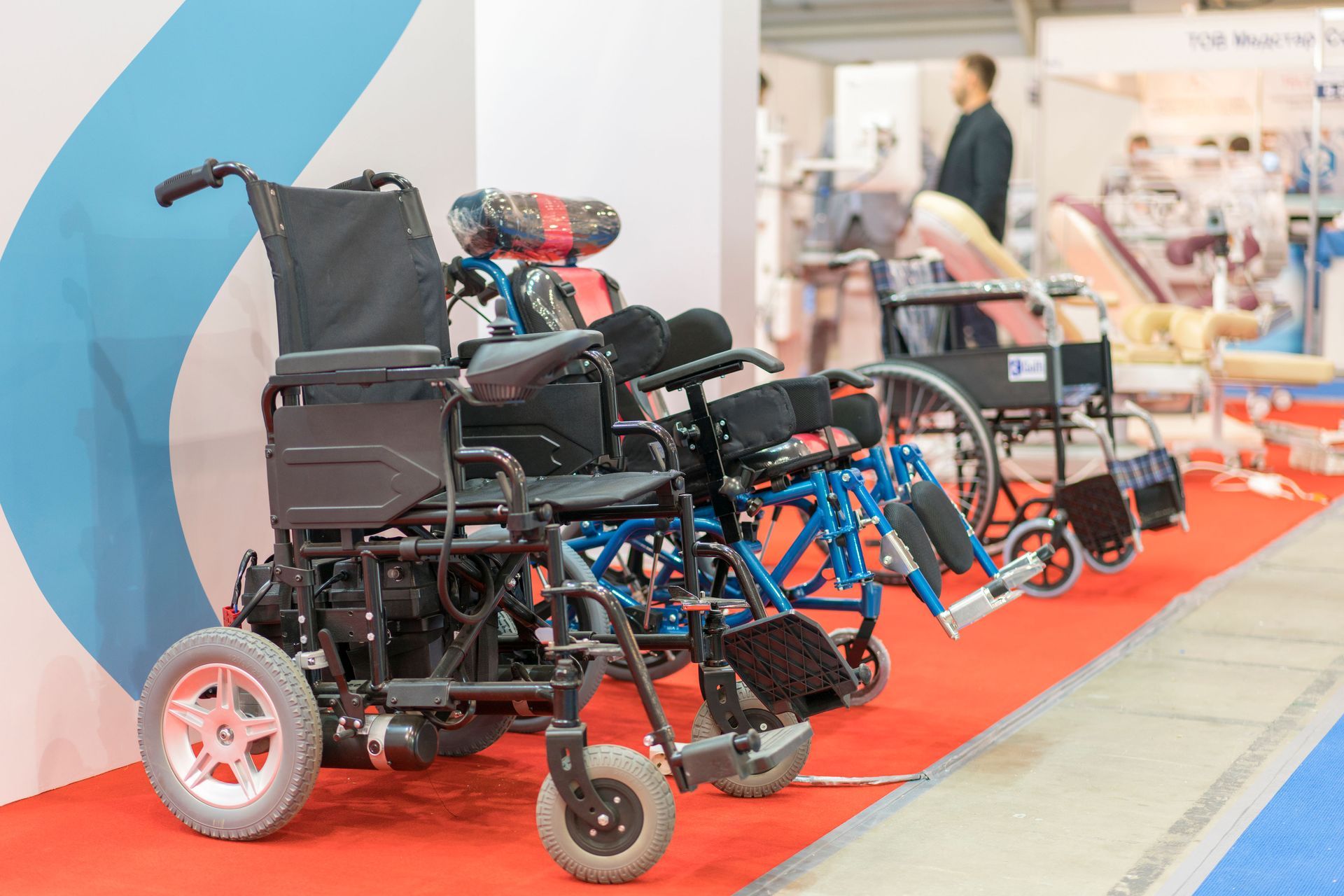
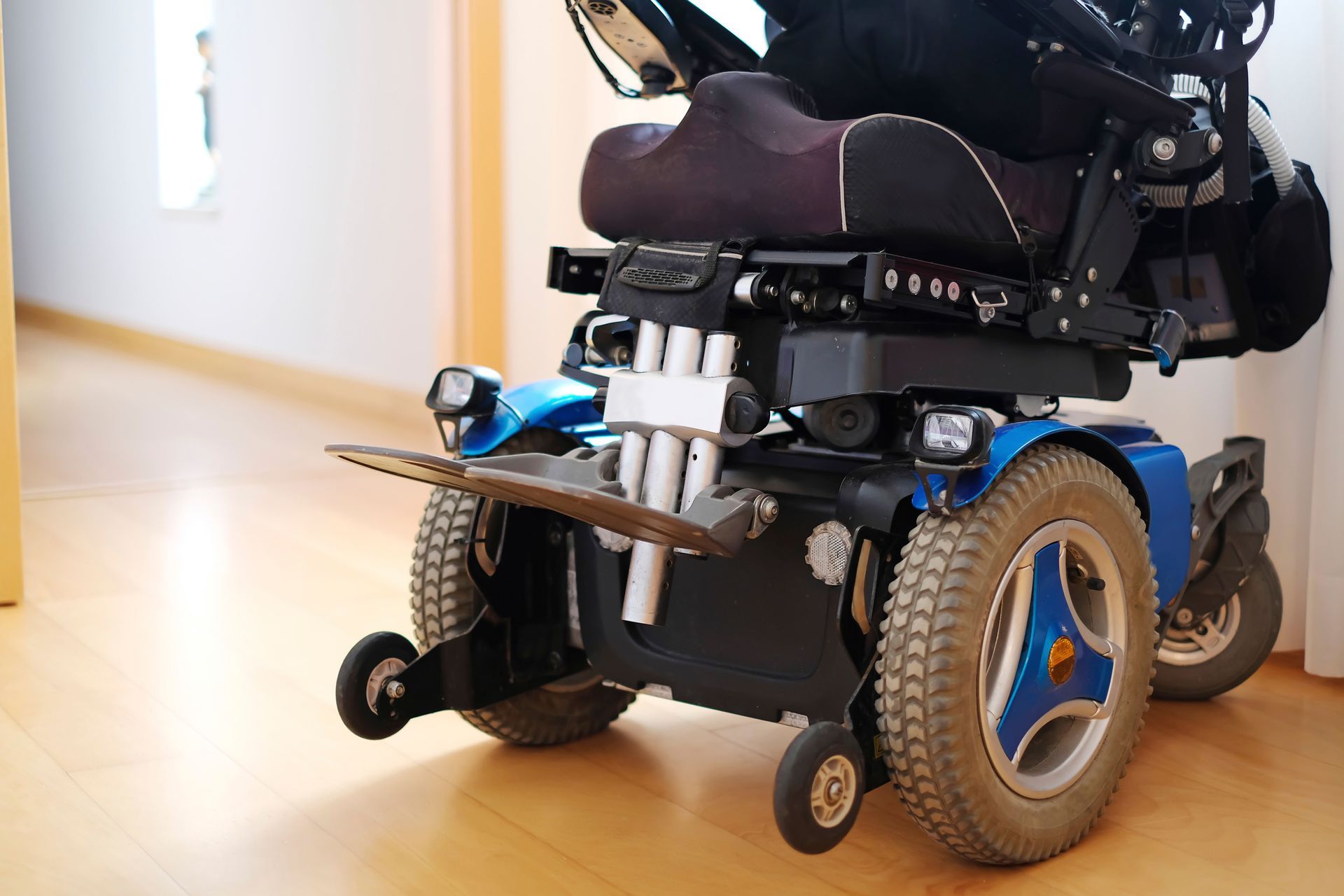
A second misconception is that one scooter model will work for virtually every user and environment. In practice, mobility equipment comes in different sizes and configurations because users have different needs. Factors such as turning radius, seating, weight capacity, portability, ground clearance, and intended travel distance can influence which design is appropriate.
A mobility scooter designed for indoor use, for example, may have different characteristics from one intended for longer outdoor trips. Considering terrain, travel distance, comfort, safety, storage, and charging requirements can help users determine which type of equipment aligns with their routines.
Travel Models and Full-Size Options Differ
Travel scooters are generally designed with portability and maneuverability in mind. Their lighter construction can make them useful for individuals who need equipment that is easier to transport or navigate through tighter spaces. This type of design may be suitable for errands, travel, and environments where compact dimensions are important.
Mid-size scooters can provide a balance between maneuverability and outdoor performance, while heavy-duty models emphasize durability and stability. All-terrain designs may be better suited to surfaces such as gravel, grass, and uneven paths. Comparing these categories can help users identify equipment that corresponds with their typical surroundings and activities.
Comfort and Fit Matter as Much as Performance
Selecting the appropriate model involves more than determining where the scooter will travel. The user's physical dimensions, seating preferences, home layout, and ability to operate the controls should also be considered. An in-home evaluation can be helpful because doorways, hallways, room dimensions, and storage areas may affect which equipment can be used comfortably.
Adjustments to the seat, handlebars, and controls can also influence usability. A mobility scooter that is technically capable of traveling a certain distance may not be appropriate if its size or configuration makes it difficult to maneuver in the user's home. Discussing these considerations with a qualified mobility equipment provider can help narrow down suitable options.
Myth 3: Using a Mobility Scooter Means Giving Up Independence
Powered Mobility Can Expand Daily Options
Some people hesitate to consider a scooter because they associate mobility equipment with losing independence. The opposite can often be true. When walking limitations make certain activities difficult, powered mobility may allow a person to participate in those activities with less physical strain.
A mobility scooter can help someone travel through a store, attend an event, visit friends or family, or spend time outdoors. Rather than automatically replacing every form of walking, it can provide another option for situations where distance or fatigue creates a barrier. Users can determine when powered assistance is most useful based on their individual routines.
Learning to Operate Equipment Is Part of the Process
Independence also depends on being comfortable with the equipment. Users should understand basic controls, braking, steering, battery charging, and other operating considerations before relying on a scooter for regular activities. Proper instruction can make the transition to powered mobility more straightforward.
A provider may demonstrate how to operate the equipment and explain important features before delivery or rental. Users should also become familiar with the mobility scooter's dimensions and turning radius, particularly when navigating doorways, crowded areas, or unfamiliar spaces. Taking time to learn these details can support safer and more comfortable use.
Choosing the Right Equipment Supports Long-Term Use
The most suitable equipment is the one that aligns with the user's actual needs and environment. Someone who primarily needs assistance indoors may have different requirements from someone who regularly travels outdoors or over uneven surfaces. Likewise, a person who only needs temporary assistance may benefit from renting rather than purchasing equipment.
Mobility professionals can help users compare available models based on factors such as intended use, comfort, portability, stability, and distance. Some providers also offer delivery, setup, in-home evaluations, custom fitting, rentals, and ongoing assistance. These services can make it easier to transition into using mobility equipment while addressing practical concerns that arise along the way.
Mobility scooters are not limited to one age group, one type of user, or one environment. Temporary and long-term mobility needs can both influence whether powered equipment is appropriate, while different scooter designs serve different purposes. Understanding these distinctions can help individuals avoid making a decision based on common misconceptions.
Before choosing equipment, consider how often it will be used, where it will be operated, how far it needs to travel, and what features affect comfort and maneuverability. A knowledgeable mobility equipment provider can help evaluate these factors and explain available purchase and rental options. With the right information and an appropriate fit, powered mobility can become a practical part of maintaining independence and participating in everyday life. Contact Community Pharmacy & Mobility to find a scooter that fits your needs and lifestyle.