October 16, 2026
Navigating the daily challenges of restricted movement can transform a beloved home into a daunting obstacle course, but the right supportive furniture restores comfort and personal autonomy. According to the Centers for Disease Control and Prevention, mobility limitations affect 13.7 percent of adults, rendering it the most common type of disability experienced today. Fortunately, investing in a specialized lift chair offers a highly practical and dignified solution that permanently bridges the gap between deep relaxation and necessary accessibility.
Enhancing Safety and Preventing Falls
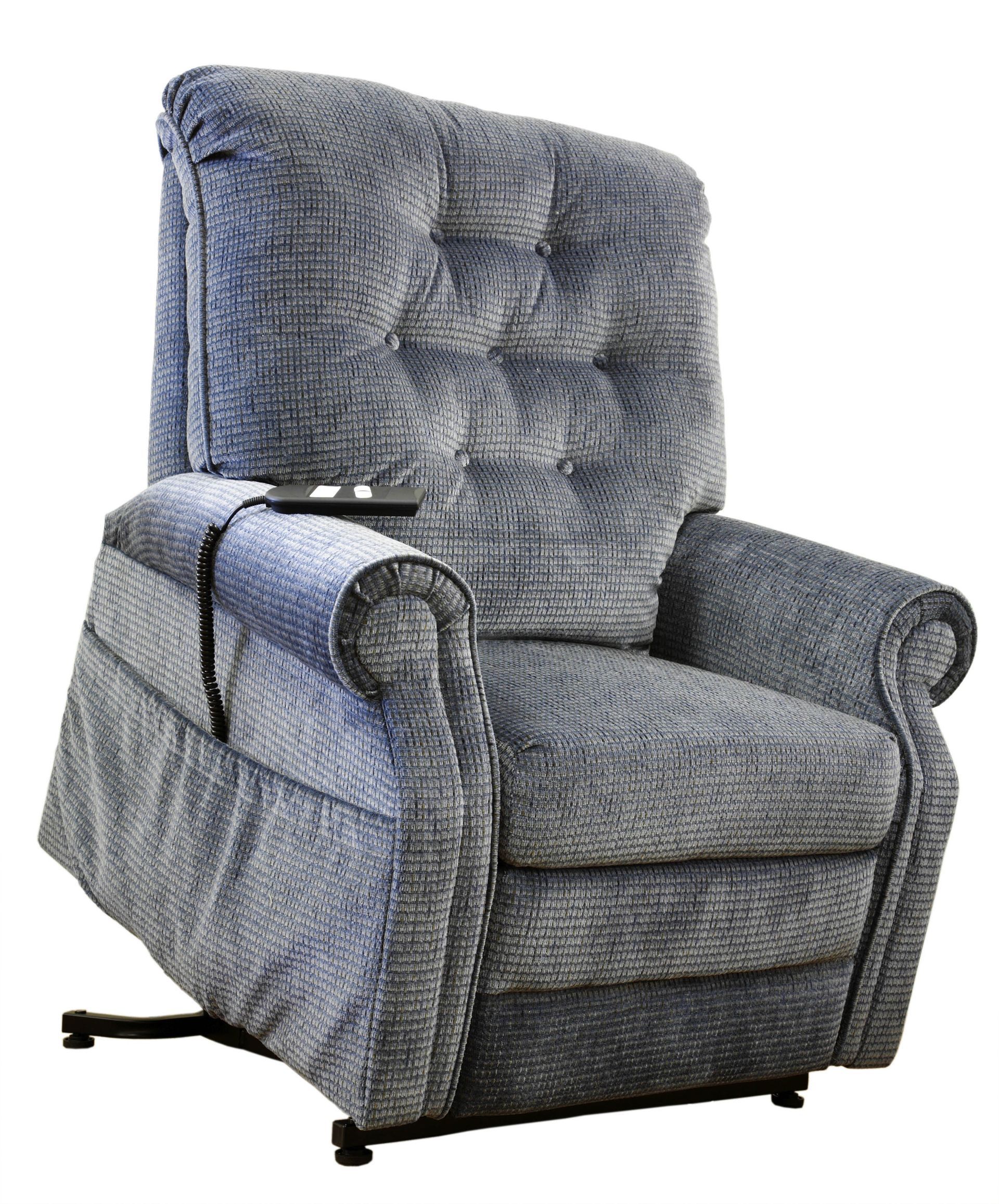
For individuals dealing with balance issues or weakened lower body strength, transitioning from a seated position to a standing posture carries a significant risk of slipping. Falls inside the residence constitute a leading cause of severe injuries among older adults, leading to hospital stays and a loss of independence. Standard couches exacerbate this danger because they sink inward, requiring core strength to overcome gravity and push upward. Assistive seating solutions mitigate this hazard by utilizing a motorized mechanism that gently tilts the base and backrest forward, guiding the occupant into a secure upright stance.
Because the movement is incredibly slow and entirely controlled by a handheld remote, the user never has to rely on sudden, jerky motions that might throw them completely off balance. Instead, they keep their feet planted firmly on the ground while the motorized base does the heavy lifting, ensuring their center of gravity remains perfectly aligned throughout the transition. This meticulously engineered process dramatically reduces the likelihood of household accidents, providing unparalleled peace of mind for everyone involved in their daily care.
Regaining Independence and Boosting Confidence
The psychological toll of constantly needing physical assistance simply to get up from a seated position cannot be overstated. When someone has to repeatedly ask for a helping hand just to walk to the kitchen, it fosters feelings of helplessness. Autonomy is a fundamental component of human dignity, and losing the ability to move freely within one's own sanctuary takes a massive emotional toll.
By incorporating motorized seating into their daily environment, individuals instantly regain command over their own movements, allowing them to dictate exactly when and how they wish to stand without waiting for someone to be available. This immediate restoration of self-reliance has a profound ripple effect on their mental health, actively boosting their daily confidence and encouraging them to engage more frequently in household activities. Knowing they can comfortably sit down to read without worrying about being trapped in the cushions empowers them to enjoy their living space fully. This renewed empowerment translates into a more positive outlook on life, staving off the severe depression and social withdrawal that frequently accompany degenerative mobility challenges over time.
Alleviating Pain and Promoting Comfort
Chronic pain conditions make finding a comfortable resting position exceptionally difficult on traditional household furniture. Standard cushions eventually lose their supportive firmness, leading to poor postural habits that place unnecessary strain on the lumbar region, hips, and cervical spine. The therapeutic design of a premium lift chair often includes customizable positioning options that go far beyond the limitations of a basic living room recliner.
Many advanced models are meticulously engineered to recline into an alignment developed to evenly distribute body weight across the entire skeletal frame. By elevating the lower extremities to the exact same level as the heart while fully supporting the natural curvature of the spine, this specialized positioning actively decompresses the vertebrae and relieves built-up tension in the lower back. Furthermore, high-density foam and specialized lumbar supports integrated into these motorized units provide targeted relief to pressure points that normally ache after prolonged sitting. Whether managing agonizing flare-ups of rheumatoid arthritis or dealing with natural joint stiffness, fine-tuning the seating angle ensures they always find a perfectly pain-free position to rest in.
Easing Strain and Improving Assistance
When discussing the myriad benefits of accessible home modifications, it is crucial to recognize the profound impact these physical changes have on dedicated family members providing daily support. Assisting an adult with compromised mobility as they transition from a deep sofa to a standing position requires tremendous physical exertion, often forcing the caregiver to bend awkwardly and bear a substantial portion of the seated individual's body weight. Over time, this repetitive heavy lifting frequently results in severe musculoskeletal injuries, particularly chronic lower back pain and strained shoulders for the primary caregiver.
When a family introduces a lift chair into the primary living area, they effectively eliminate the immediate need for this hazardous manual lifting routine. The motorized mechanism smoothly handles the physical burden of raising the occupant, allowing the caregiver to simply stand closely by to provide light stabilization once the transition is complete. This massive reduction in physical strain preserves the long-term health and stamina of the caregiver, preventing the physical burnout that complicates home-based care arrangements. Consequently, the relationship between caregiver and care recipient improves drastically as the anxiety associated with manual transfers disappears entirely from their daily lives together.
Enhancing Circulation and Reducing Swelling
Maintaining proper blood flow becomes increasingly difficult as individuals age or when they are forced to adopt a highly sedentary lifestyle due to chronic health conditions. Gravity naturally pulls fluids downward, frequently leading to uncomfortable and dangerous swelling in the feet, ankles, and calves, a condition clinically referred to as peripheral edema. If left unmanaged, this chronic fluid retention causes severe skin stretching, localized pain, increased risk of dangerous infections, and potentially contributes to more serious cardiovascular complications down the line.
Many modern variations of the lift chair feature independent motor controls for the backrest and footrest, granting the user precise ability to elevate their legs significantly higher than their hips or heart. This targeted elevation is universally recommended by medical professionals as an effective method for utilizing gravity to encourage accumulated fluids to drain away from the lower extremities and return safely to the central circulatory system. Regular periods of leg elevation dramatically reduce the heavy sensation associated with edema, actively promote faster healing of any minor abrasions, and prevent the dangerous pooling of blood inside the lower legs over the course of the day.
Protecting Joints and Accelerating Rehabilitation
The critical weeks following a major surgical procedure, such as a total hip replacement or a complex knee replacement, require a delicate balance between getting essential rest and avoiding strictly prohibited movements. Surgeons routinely issue strict precautions regarding exactly how far a patient can bend their hips or strain their core muscles, making traditional seating arrangements medically contraindicated. For anyone returning home after major orthopedic surgery, utilizing a lift chair can significantly accelerate the rehabilitation timeline by protecting vulnerable incisions and newly repaired joints from accidental overexertion.
Because the gentle motorized tilt mechanism brings the recovering patient to a near-standing posture, they completely bypass the dangerous hip flexion that typically occurs when forcing oneself up from a standard chair. This vital mechanical assistance ensures that healing tissues are never subjected to undue stress or tearing during early recovery. Furthermore, the ability to sleep comfortably in a partially reclined position often proves invaluable for post-operative patients who find lying flat completely painful. By providing a safe, adaptable environment for resting and transferring, this furniture allows patients to focus entirely on their prescribed physical therapy exercises instead of struggling to move.
Transforming your living space into a haven of safety and continuous comfort is entirely possible with the strategic addition of targeted assistive furnishings. By prioritizing both physical well-being and crucial emotional independence, individuals can successfully reclaim their daily routines without facing unnecessary strain or the constant fear of severe injury. Bringing this highly innovative seating solution into your primary residence represents a profound investment in a significantly healthier, more autonomous quality of life. For more on the benefits of a lift chair in your home, please contact Community Pharmacy & Mobility.